
By Silvano Grimaldi, CEO of the independent asset management firm Grimaldi & Partners AG.
Zurich — The Israel–Hamas war has entered its fifth month, and the risk of a broader conflict in the Middle East has not yet disappeared. Continued attacks by the Iran-backed Houthi militia from Yemen on ships in the Red Sea have already negatively affected international trade.
Could the situation in the Middle East escalate further? Should investors expect setbacks in equity markets? Silvano Grimaldi, CEO of the independent Swiss asset management firm Grimaldi & Partners AG, answers these questions.
The International Monetary Fund Warns
Developments in the conflict between Israel and Hamas have caused concern worldwide, particularly regarding their potential impact on the global economy.
The International Monetary Fund, or IMF, has warned of far-reaching economic consequences and described the conflict as an additional threat within an already strained global economic environment, which is also being affected by the war in Ukraine and tensions between China and Taiwan.
A prolonged Israel–Hamas war highlights the delicate balance of global markets and the potential dangers created by geopolitical instability.
Oil Prices Under Pressure
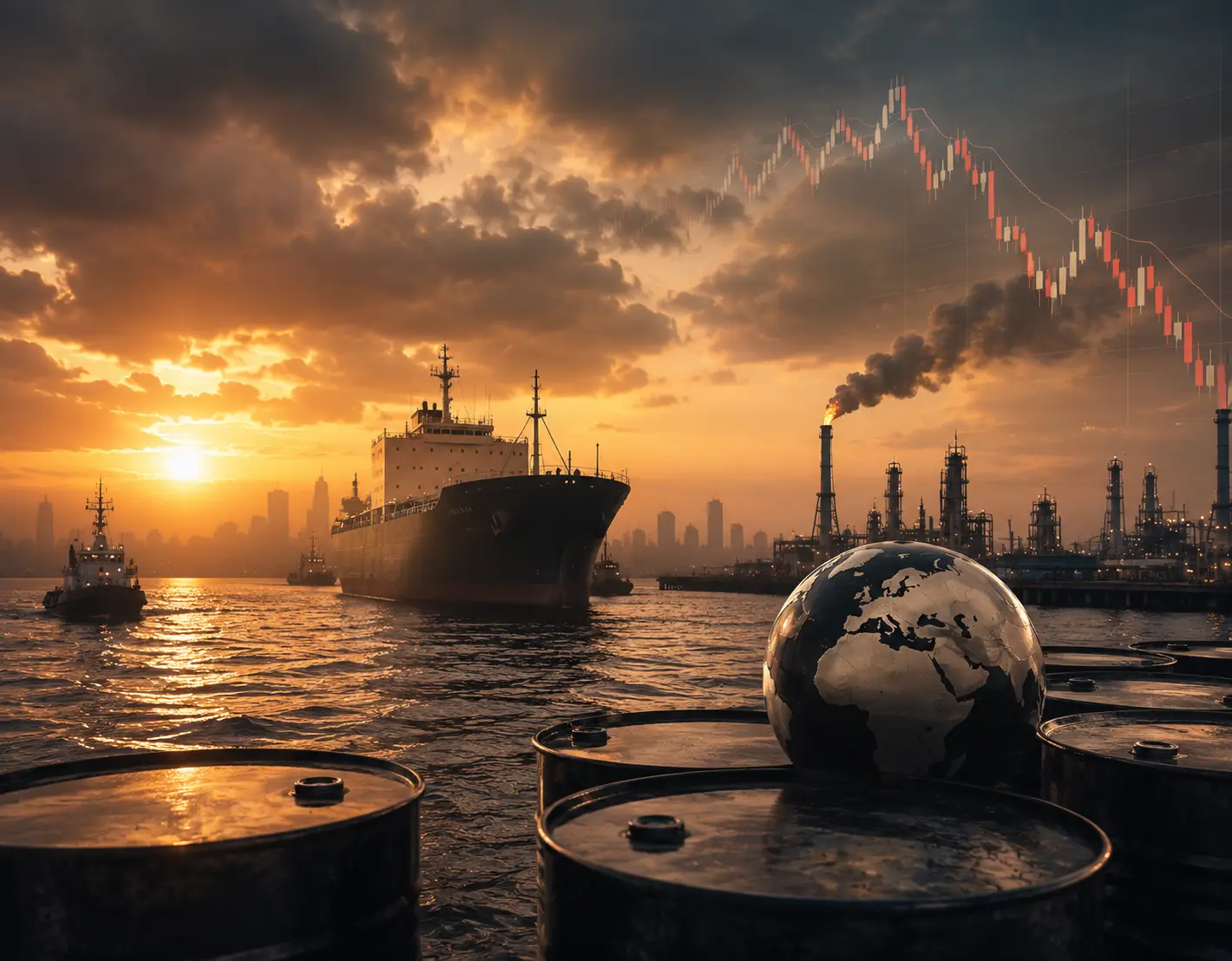
The escalation of the conflict initially caused significant movements in global markets, particularly in oil prices.
Following the Hamas attacks, the price of oil temporarily rose above USD 90 per barrel. It declined somewhat during the following weeks before rising again after the publication of a report by the International Energy Agency, or IEA.
The report warned of potentially significant medium-term consequences for the oil market resulting from the confrontation between Gaza and Israel.
Risk of a Wider Conflict: Iran and Regional Tensions
There is considerable concern that the conflict could spread across the Persian Gulf region, which accounts for approximately 40% of global oil supply.
As more than one-third of the world’s seaborne crude-oil trade is connected to the Middle East, markets continue to monitor developments in the region closely.
Reports from The Wall Street Journal suggested that Iran, which was once historically aligned with Israel, could be involved. This could place additional pressure on relations between Iran and the United States.
A withdrawal of Iran from the oil and gas market would have significant consequences, particularly because the country had recently increased its oil production and therefore had the capacity to influence global price movements.
Risk of a Global Recession
Pierre-Olivier Gourinchas, Chief Economist of the IMF, stated in the organisation’s annual global economic report that a sustained USD 10 increase in oil prices could reduce global gross domestic product by approximately 0.15 percentage points.
Higher energy prices could contribute to:
- Rising inflation
- Slower economic growth
- Higher production and transport costs
- Weaker consumer purchasing power
At a time when leading central banks have aggressively increased policy rates to combat inflation, a prolonged increase in oil prices would threaten both successful inflation control and the recovery of the global economy.
Impact on Central-Bank Monetary Policy
The conflict could influence monetary-policy decisions by central banks in Europe and the United States.
A significant slowdown in economic growth caused by rising oil prices could encourage the Federal Reserve to reduce interest rates sooner than expected.
Whether such action could prevent a severe economic downturn remains uncertain.
A recession would negatively affect corporate earnings and would therefore make setbacks in equity markets increasingly likely.
Conclusion
Current oil-market volatility, characterised by alternating price increases and declines, primarily reflects continuing geopolitical uncertainty.
Oil prices have now fallen from the highs reached following the Hamas attacks and are trading around USD 80 per barrel, with a slightly declining tendency.
This may partly reflect a growing familiarity with the Israel–Hamas conflict and can therefore be interpreted as a positive development for equity markets.
Nevertheless, the conflict has highlighted the vulnerability of the global economy to geopolitical tensions.
Unpredictability and uncertainty are harmful to financial markets. It is therefore in the interests of all economic participants to actively support political and economic stability.
One positive consequence of current military conflicts is the growing awareness within the international community that international cooperation must be strengthened to preserve global economic and financial-market stability.
Peace is a fundamental condition for the prosperity of international markets and financial markets. The lesson is therefore clear once again:
Peace is not a “free lunch.”
Disclaimer
This article does not constitute an invitation to buy or sell any of the securities mentioned.
All investment decisions remain the responsibility of the investor. Before investing in individual shares or other financial products, we recommend seeking comprehensive advice from a qualified professional.